Sleep Tracking and Biomarkers: What Really Matters for Recovery
What Sleep Tracking Really Measures
At IZY.LIFE, sleep tracking and biomarkers are considered essential tools to better understand recovery and optimize health outcomes.
Sleep tracking has become widely accessible through connected devices and sensors.
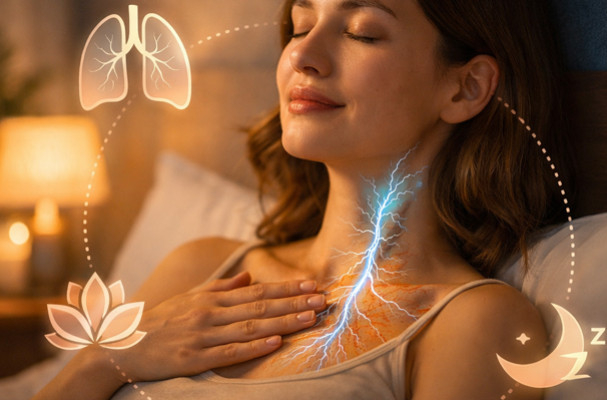
Most systems measure sleep stages, including light sleep, deep sleep, and REM sleep. They also monitor heart rate, movement, and breathing patterns to estimate sleep quality.
These metrics provide a general overview of how the body recovers during the night.
The Limits of Consumer Sleep Devices
While sleep tracking devices are useful, they are not always fully accurate.
Many rely on indirect signals such as movement or heart rate, which can lead to approximations rather than precise measurements.
Variations between devices are common, and results should be interpreted as trends rather than exact values.
Understanding these limits is essential to avoid misinterpreting sleep data.
Key Biomarkers for Recovery
Beyond sleep stages, several biological markers play a critical role in recovery.
Heart rate variability reflects the balance of the nervous system and the ability to recover from stress.
Cortisol levels influence sleep onset and quality. Elevated levels can disrupt sleep cycles.
Inflammation markers also impact recovery and overall health.
IZY.LIFE helps professionals access and interpret these biomarkers through curated technologies and validated diagnostic solutions.
From Data to Actionable Sleep Protocols
Collecting data is not enough.
The real value lies in translating sleep tracking and biomarkers into actionable strategies.
This includes adjusting sleep routines, managing stress, optimizing recovery, and adapting daily habits based on measured data.
For IZY.LIFE, the objective is to transform data into actionable insights that can be used by health professionals and wellness operators.
Devices Versus Clinical Monitoring
Consumer devices offer convenience and accessibility, while clinical monitoring provides more precise insights.
Wearables and home devices are useful for daily tracking and habit improvement.
Clinical assessments can include advanced measurements and more detailed analysis of sleep and recovery.
Combining both approaches can provide a more complete understanding of sleep health.
Market Perspective
The sleep tracking and health data market is growing rapidly.
The adoption of wearable devices continues to increase, driven by demand for personalized health insights and performance optimization.
Health data is becoming a central component of preventive healthcare strategies.
For IZY.LIFE, this evolution reinforces the importance of structured, data-driven approaches to sleep and recovery.
Why Structured Data Matters for Professionals
For professionals, data alone is not sufficient.
The key is to integrate sleep tracking and biomarkers into structured programs that deliver measurable results.
IZY.LIFE supports professionals in building these programs by combining technologies, data, and actionable protocols.
Learn how sleep optimization supports recovery and longevity
Understand how sleep is integrated into professional health strategies
Related Articles
- Sleep Optimization for Longevity: Improve Deep Sleep and Recovery
- Why Sleep Optimization Is Becoming a Core Service for Health Professionals
CTA
Discover sleep optimization solutions selected by IZY.LIFE Access professional sleep and recovery solutions through IZY.LIFE
FAQ
What is sleep tracking?
Sleep tracking refers to the use of devices or sensors to monitor sleep patterns, including sleep stages, heart rate, and movement.
How accurate are sleep tracking devices?
Sleep tracking devices provide useful estimates, but accuracy can vary depending on the technology used. They are best used to identify trends over time.
What is the most important sleep biomarker?
Heart rate variability is one of the most important indicators of recovery and nervous system balance.
Can sleep tracking improve recovery?
Yes. By understanding sleep patterns and recovery data, individuals can adjust habits and improve sleep quality over time.
What is HRV in sleep tracking?
HRV measures the variation in time between heartbeats and reflects how well the body recovers from stress.
Should you rely only on sleep data?
No. Sleep data should be combined with lifestyle factors and overall well-being to get a complete picture of health.
What is the difference between consumer and professional sleep analysis?
Consumer devices provide general insights, while professional analysis offers more precise and detailed measurements.
Sources
Nature Reviews Neuroscience
The Lancet Healthy Longevity
Global Wellness Institute
McKinsey Health Institute