
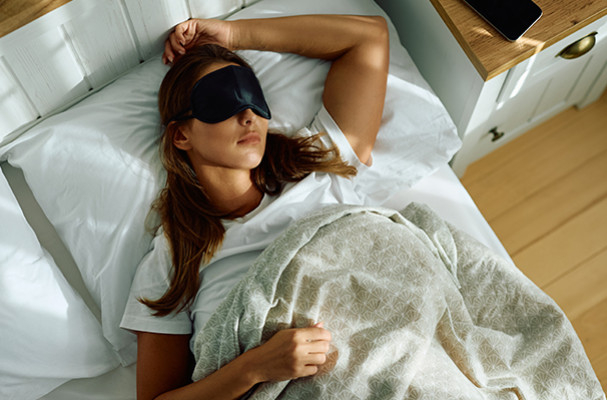
Sleep Optimization for Longevity: How to Improve Deep Sleep and Recovery
Why Sleep Is a Core Pillar of Longevity
At IZY.LIFE, sleep is considered one of the most critical pillars of long-term health, recovery, and preventive health strategies.
Poor sleep is associated with increased inflammation, reduced cognitive performance, hormonal imbalance, and accelerated aging.
Deep sleep plays a key role in cellular repair, immune function, and nervous system regulation. It is during this phase that the body recovers most effectively and restores essential physiological balance.
What Disrupts Deep Sleep Today
Modern lifestyles are one of the biggest disruptors of sleep quality.
Chronic stress keeps the nervous system in a constant state of activation. Excessive exposure to screens affects circadian rhythms. Irregular schedules and high cortisol levels further reduce the ability to reach deep sleep.
When the nervous system does not shift into a relaxed state, the body struggles to enter restorative sleep phases.
How to Improve Sleep Naturally
Improving sleep requires a structured and consistent approach.
Maintaining a regular sleep schedule is essential. Reducing exposure to blue light in the evening helps regulate melatonin production. Managing stress through breathing techniques or relaxation practices supports better sleep onset.
Optimizing the sleep environment by reducing noise and light and maintaining a comfortable temperature also plays a key role.
Lifestyle changes are fundamental, but they are often not sufficient on their own.
The Role of Nervous System Regulation
Sleep quality is closely linked to the state of the nervous system.
When the body remains in a state of stress, recovery is limited. Supporting the transition toward a relaxed state helps improve sleep depth and quality.
Approaches that promote relaxation and reduce nervous system activation are increasingly integrated into modern sleep optimization strategies.
Sleep Technologies and Recovery Devices
Sleep optimization is increasingly supported by technology.
Innovations include sleep tracking devices, sound-based solutions, relaxation tools, and recovery equipment. These technologies help monitor sleep patterns, reduce disturbances, and support relaxation.
IZY.LIFE curates sleep and recovery technologies designed to support both individuals and professionals looking for structured, high-quality solutions.
Discover sleep optimization solutions selected by IZY.LIFE
For professional integration and B2B solutions
Market Perspective
Sleep is now one of the largest segments in the health and wellness industry.
The global sleep market exceeds 500 billion dollars and continues to grow rapidly. Demand is driven by increased awareness of sleep disorders, stress-related conditions, and the importance of recovery.
Wearable devices and recovery technologies are becoming widely adopted, reflecting a shift toward preventive health and performance optimization.
For IZY.LIFE, this evolution confirms that sleep is no longer just a wellness topic. It is becoming a strategic health vertical for clinics, wellness operators, and health platforms.
From Personal Health to Business Opportunity
Sleep optimization is no longer limited to individual use.
It is becoming a strategic opportunity for clinics, wellness centers, spas, and health platforms. Organizations are integrating sleep solutions into structured programs to improve outcomes and differentiate their services.
Why sleep optimization is becoming a core service in longevity clinics
Related Articles
- Sleep Tracking and Biomarkers: What Really Matters
- Why Sleep Optimization Is Becoming a Core Service in Longevity Clinics
FAQ
How can you improve deep sleep naturally?
Deep sleep can be improved by maintaining a consistent sleep schedule, reducing exposure to blue light before bed, managing stress levels, and optimizing the sleep environment.
What is sleep optimization?
Sleep optimization refers to a combination of habits, environment adjustments, and technologies designed to improve sleep quality, recovery, and overall health.
What affects deep sleep the most?
The main factors affecting deep sleep include stress, nervous system imbalance, irregular sleep patterns, and poor sleep conditions such as noise or light exposure.
Can technology improve sleep quality?
Yes. Devices such as sleep trackers, sound masking tools, and relaxation technologies can support better sleep and improve recovery.
How much deep sleep do you need each night?
Most adults need between 1.5 and 2 hours of deep sleep per night, although this can vary depending on age and individual health.
Why is deep sleep important for recovery?
Deep sleep is essential for physical recovery, cellular repair, immune function, and cognitive performance.
How can you track your sleep quality?
Sleep quality can be tracked using wearable devices, sleep sensors, and applications that monitor sleep stages, heart rate, and recovery indicators.
What is the link between stress and sleep?
High stress levels can disrupt sleep by increasing cortisol and keeping the nervous system in an activated state, making it harder to fall and stay asleep.
How long does it take to improve sleep quality?
Improvements in sleep quality can be observed within a few days to a few weeks, depending on consistency and lifestyle changes.
What is the best way to improve sleep and recovery?
The most effective approach combines consistent routines, stress management, environment optimization, and supportive technologies.