How to Stimulate the Vagus Nerve Naturally: Science, Techniques and Technologies
What is the vagus nerve and why it matters
The vagus nerve is one of the most important components of the autonomic nervous system. It is the longest cranial nerve in the human body and connects the brain to several key organs, including the heart, lungs and digestive system.
Its primary role is to regulate many automatic physiological functions such as heart rate, digestion and inflammation.
The vagus nerve is particularly important because it helps control the balance between two major systems:
- the sympathetic nervous system, responsible for the body's stress response
- the parasympathetic nervous system, associated with relaxation and recovery
When the vagus nerve is activated, it promotes the parasympathetic response, helping the body recover from stress and maintain physiological balance.
Because of this function, the vagus nerve has become a key focus of research in neuroscience, preventive health and longevity science.
Signs of poor vagus nerve function
When vagal activity is reduced, the body may have more difficulty regulating stress and maintaining physiological balance.
Some symptoms sometimes associated with reduced vagal tone include:
- chronic stress or anxiety
- digestive discomfort
- sleep disturbances
- fatigue
- difficulty recovering from stress
Researchers often use physiological markers such as heart rate variability (HRV) to measure vagal activity and nervous system balance.
Higher HRV levels are generally associated with better autonomic regulation and greater resilience to stress.
Natural ways to stimulate the vagus nerve
A growing number of lifestyle practices are believed to influence vagal activity and support nervous system regulation.
Deep breathing
Slow and controlled breathing is one of the most widely recommended techniques for stimulating the vagus nerve.
Deep breathing activates the parasympathetic nervous system and may help reduce physiological stress responses.
Practices such as diaphragmatic breathing and coherent breathing are commonly used to support vagal activation.
Meditation and mindfulness
Meditation practices that focus on breath awareness or body relaxation may support parasympathetic activation.
Regular meditation has been associated with improved stress regulation and increased heart rate variability in some studies.
Cold exposure
Exposure to cold temperatures, such as cold showers or cold-water immersion, may also stimulate vagal pathways.
Cold exposure triggers physiological responses that can influence the autonomic nervous system and support resilience.
Humming and vocal stimulation
The vagus nerve is connected to muscles involved in speech and vocalization.
Activities such as humming, chanting or singing may indirectly stimulate vagal pathways through vibration and breathing patterns.
Physical activity
Regular physical exercise is associated with improved autonomic balance and increased vagal tone.
Moderate aerobic exercise, in particular, may support nervous system regulation and cardiovascular health.
Technologies designed to stimulate the vagus nerve
In addition to lifestyle practices, new technologies are being developed to support vagus nerve stimulation.
These technologies often use electrical signals, vibration or acoustic stimulation to influence vagal pathways and activate the parasympathetic nervous system.
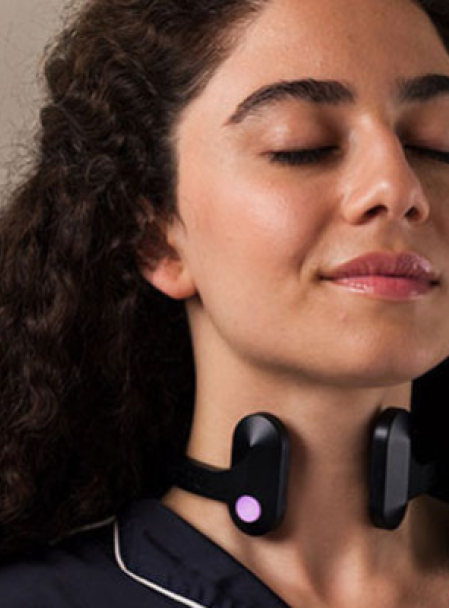
Non-invasive vagus nerve stimulation devices are part of a growing category of technologies aimed at supporting stress management and nervous system regulation.
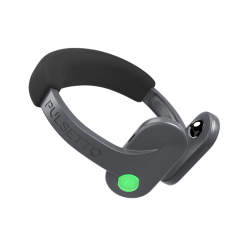
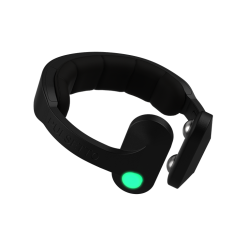
One example is the Pulsetto vagus nerve stimulation wearable device.
Professionals can explore the technology here
These technologies are increasingly discussed in the context of preventive health, wellness and longevity strategies.
The future of vagus nerve stimulation in preventive health
Interest in vagus nerve stimulation reflects a broader shift in healthcare innovation toward preventive and resilience-based approaches.
Technologies capable of supporting nervous system regulation may become increasingly integrated into wellness programs, recovery protocols and preventive health strategies.
As research into neuroscience and bioelectronic medicine continues to expand, the role of vagus nerve stimulation technologies may grow across both consumer and professional health environments.
Platforms such as IZY.LIFE aim to identify emerging technologies and connect them with professionals operating within the preventive health ecosystem.
FAQ
What does the vagus nerve do?
The vagus nerve regulates several important physiological functions including heart rate, digestion, inflammation and stress response. It plays a central role in the autonomic nervous system and helps control the body's relaxation and recovery processes.
Can you stimulate the vagus nerve naturally?
Yes. Several lifestyle practices may support vagus nerve stimulation, including deep breathing, meditation, cold exposure, humming and regular physical activity.
These practices aim to activate the parasympathetic nervous system and promote relaxation.
What is vagal tone?
Vagal tone refers to the activity of the vagus nerve within the autonomic nervous system. Higher vagal tone is generally associated with better stress regulation, improved heart rate variability and greater physiological resilience.
What devices stimulate the vagus nerve?
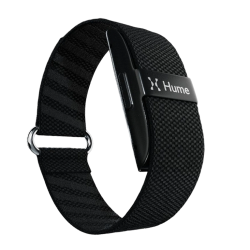
Several technologies have been developed to stimulate the vagus nerve using electrical stimulation, vibration or acoustic resonance.
These devices are designed to influence the autonomic nervous system and support stress management or relaxation.